ABOUT THE GAME
A lost colony on a distant planet.
An outpost of humanity, haunted by memories of madness and conspiracy.
A station crew no longer responding to communications.
Concerned about the safety of their investment, Human Resources Specialist, Elizabeth Woolgather is dispatched by the ‘Corporation’ to Planet Ancyra to investigate and report back.
But as she quickly discovers, sometimes knowledge can be a dangerous thing.
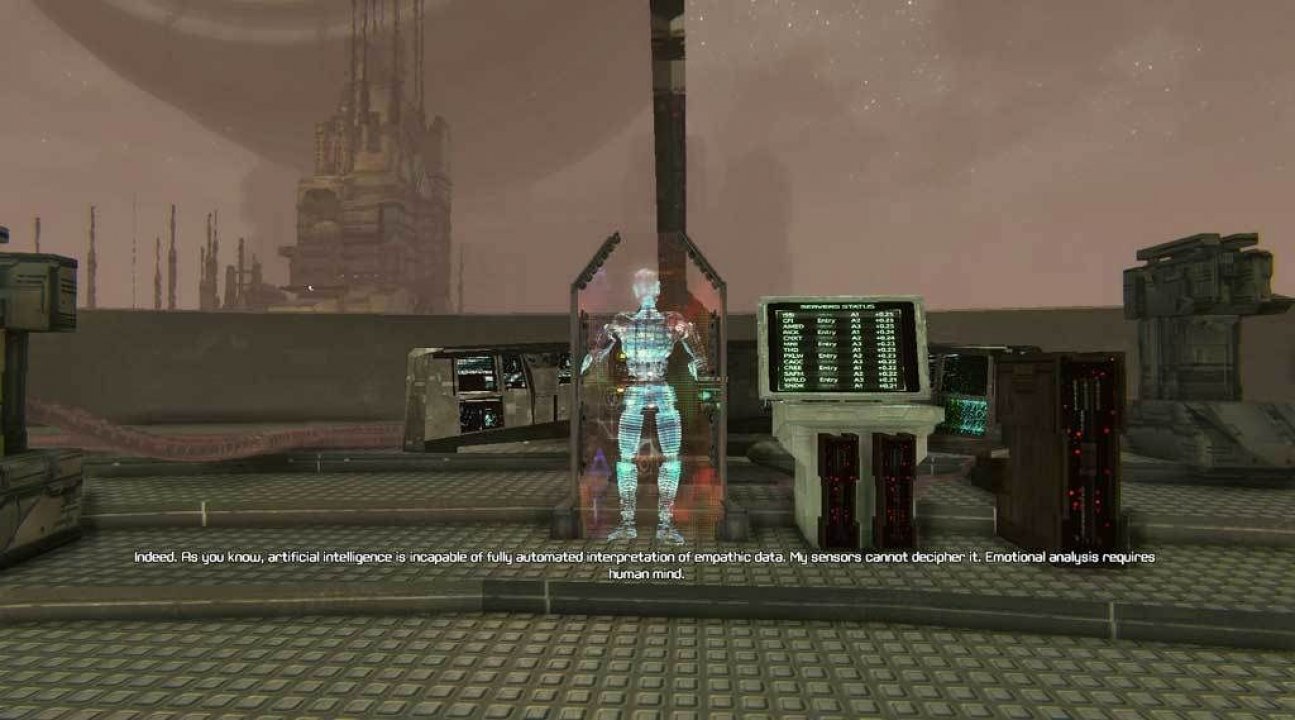
De-Void is a meditative first-person adventure game, where the player unravels the mysterious circumstances surrounding the disappearance of a remote space colony crew. Although the crew is missing, the station and its surroundings still echo their thoughts and emotions. With the help of a protocol unit named Wilco, Elizabeth must interpret these memories and emotions and piece together the jigsaw. As the pieces come together, a confrontation with a presence both ancient and impossibly vast becomes inevitable.
On the surface, De-Void is a tale of humanity lost in the depths of space, but beneath the surface lies a complex psychological story of conspiracy, betrayal, and madness.
There are no easy answers on Planet Ancyra.
ROLES & RESPONSIBILTIES
- Re-designing shipped engine from Solarix to be a walking-simulator game.
- Creating game design documentation to be presented to the team.
- Storyboarding out the progression of the game.
- Assisting with writing & directing some in-game audio logs.
- Working closely with the new Writer to ensure continuity between gameplay and narrative.
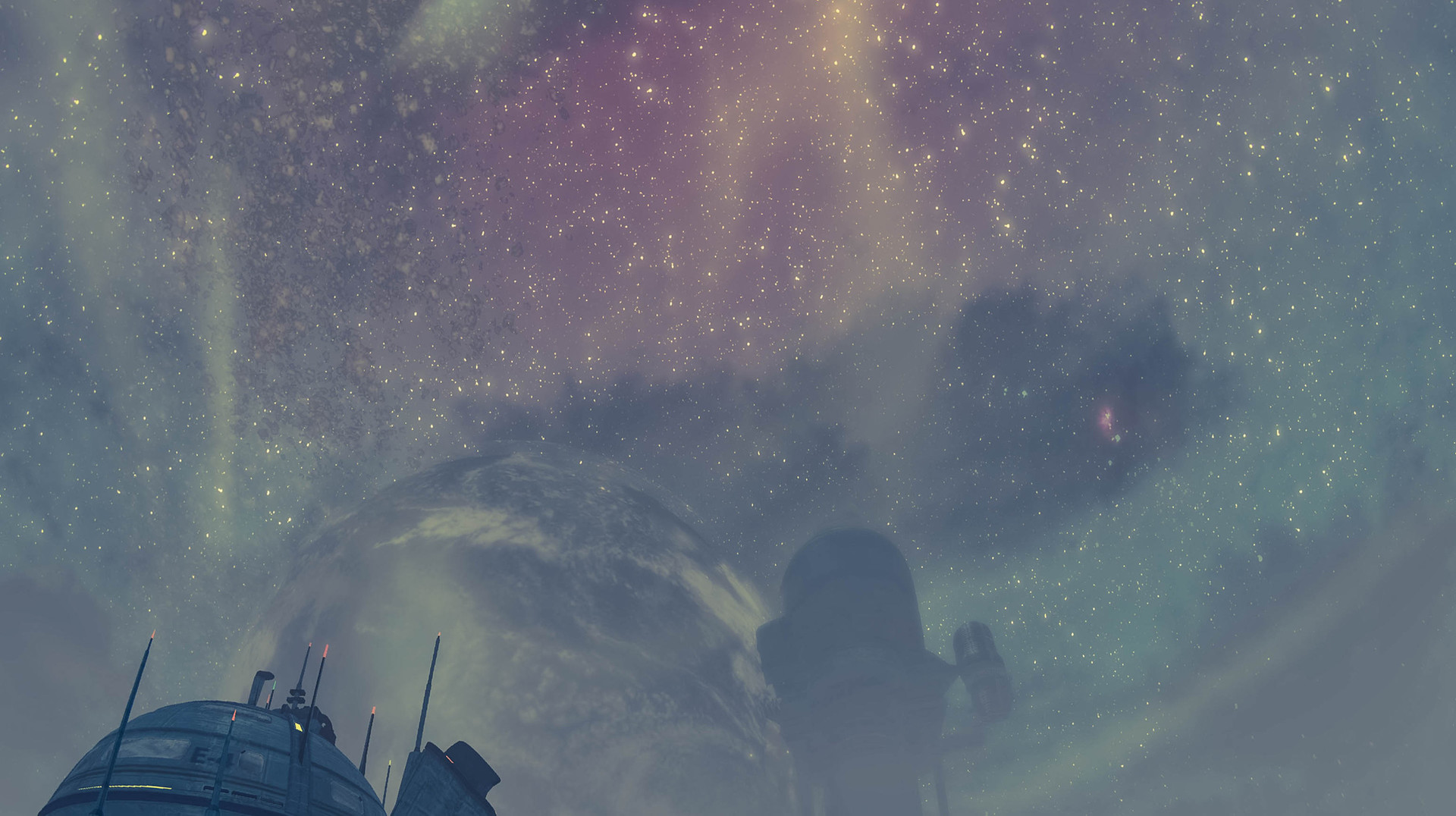
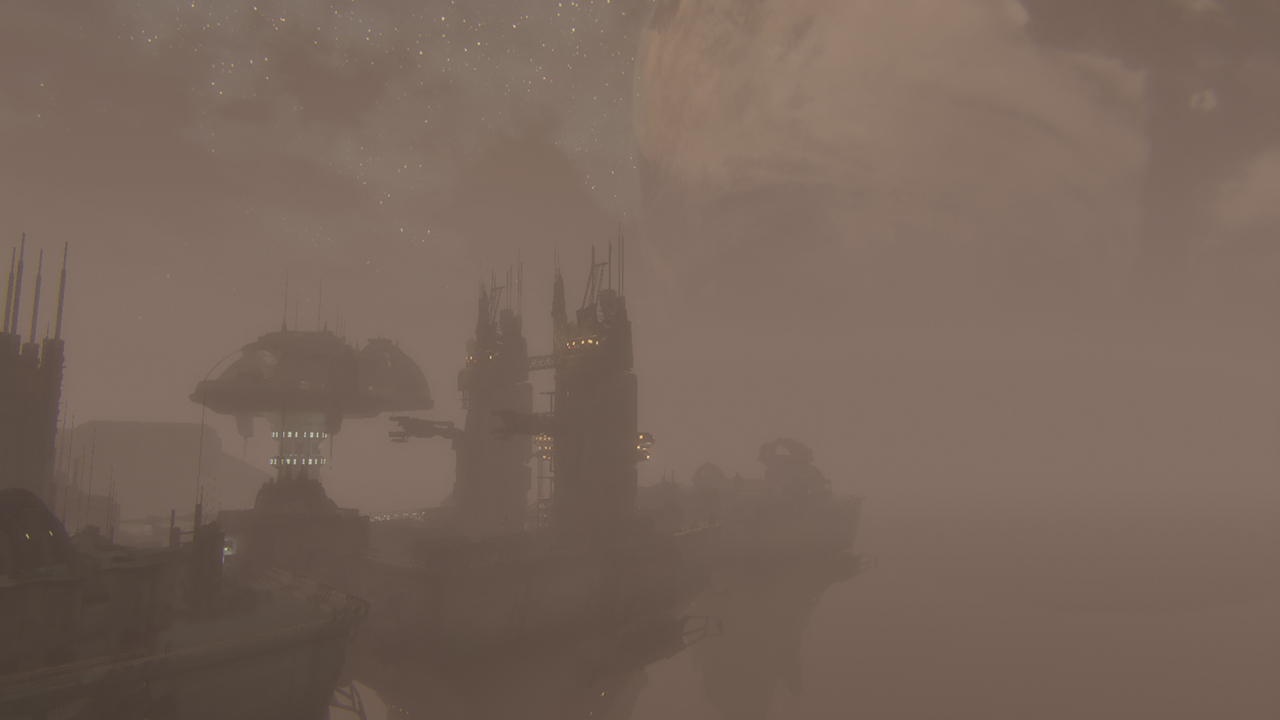
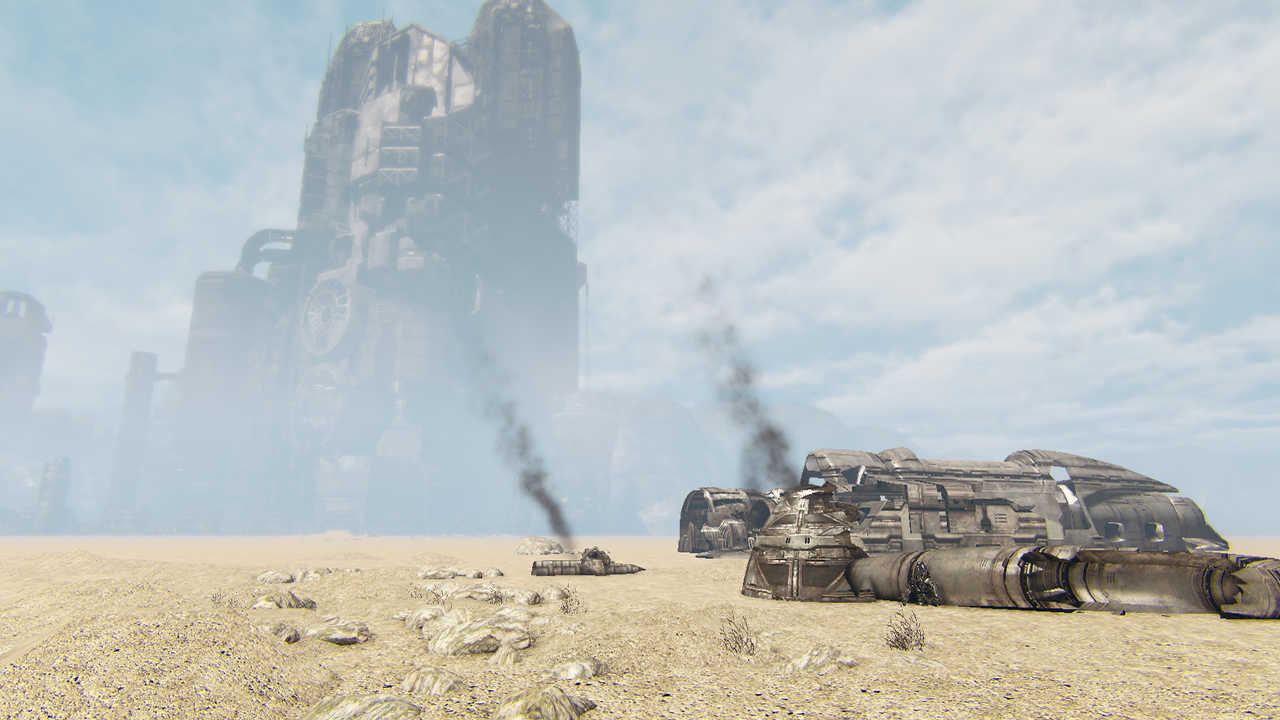
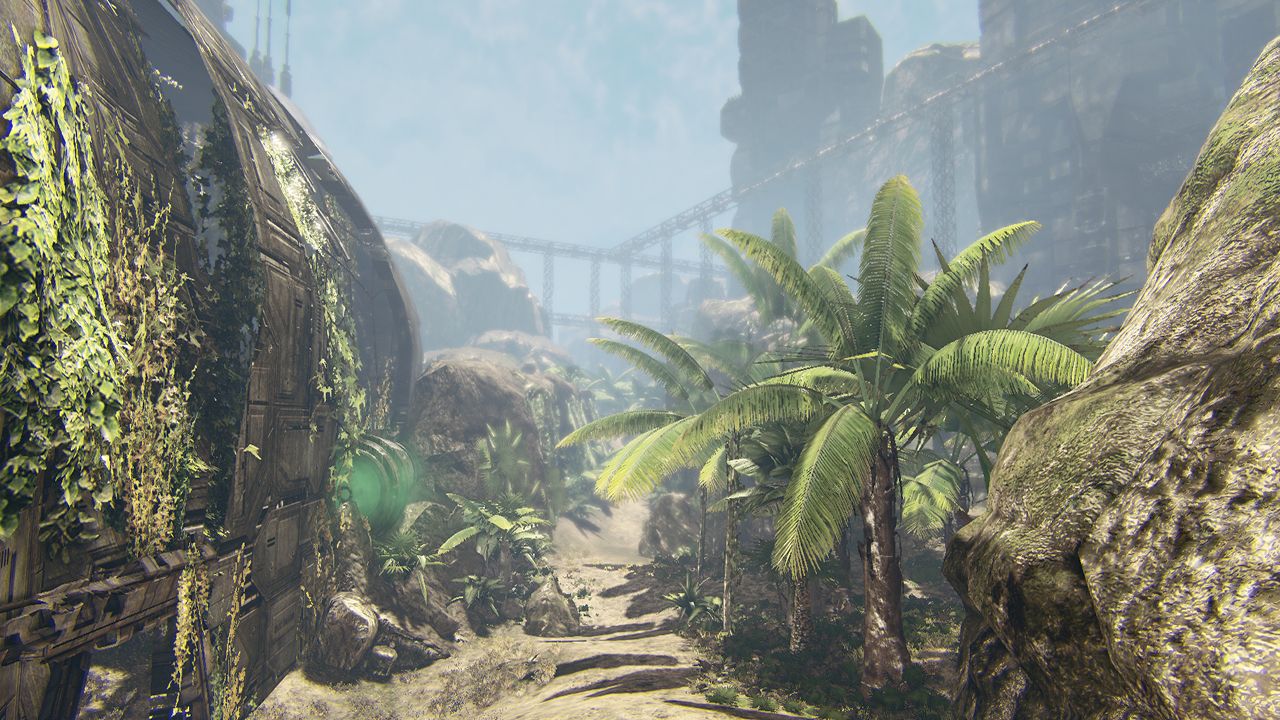

Following the release of Solarix, the team explored the potential to repurpose existing assets and technology to create a fresh experience in the same universe. I was tasked by the Studio Head to conceptualize and design this new project. After exploring various ideas, we decided on a prequel narrative focusing on Elizabeth (Betty), a fan-favourite character, to delve into the events leading up to Walter’s awakening from stasis.
This decision heavily influenced the game’s direction, allowing us to create a story-driven walking simulator that reused Solarix’s 3D assets and tools while introducing new mechanics and design approaches. The shift in genre from survival horror to science fiction required a re-evaluation of how levels and gameplay engaged the player.
LEVEL DESIGN DECISIONS
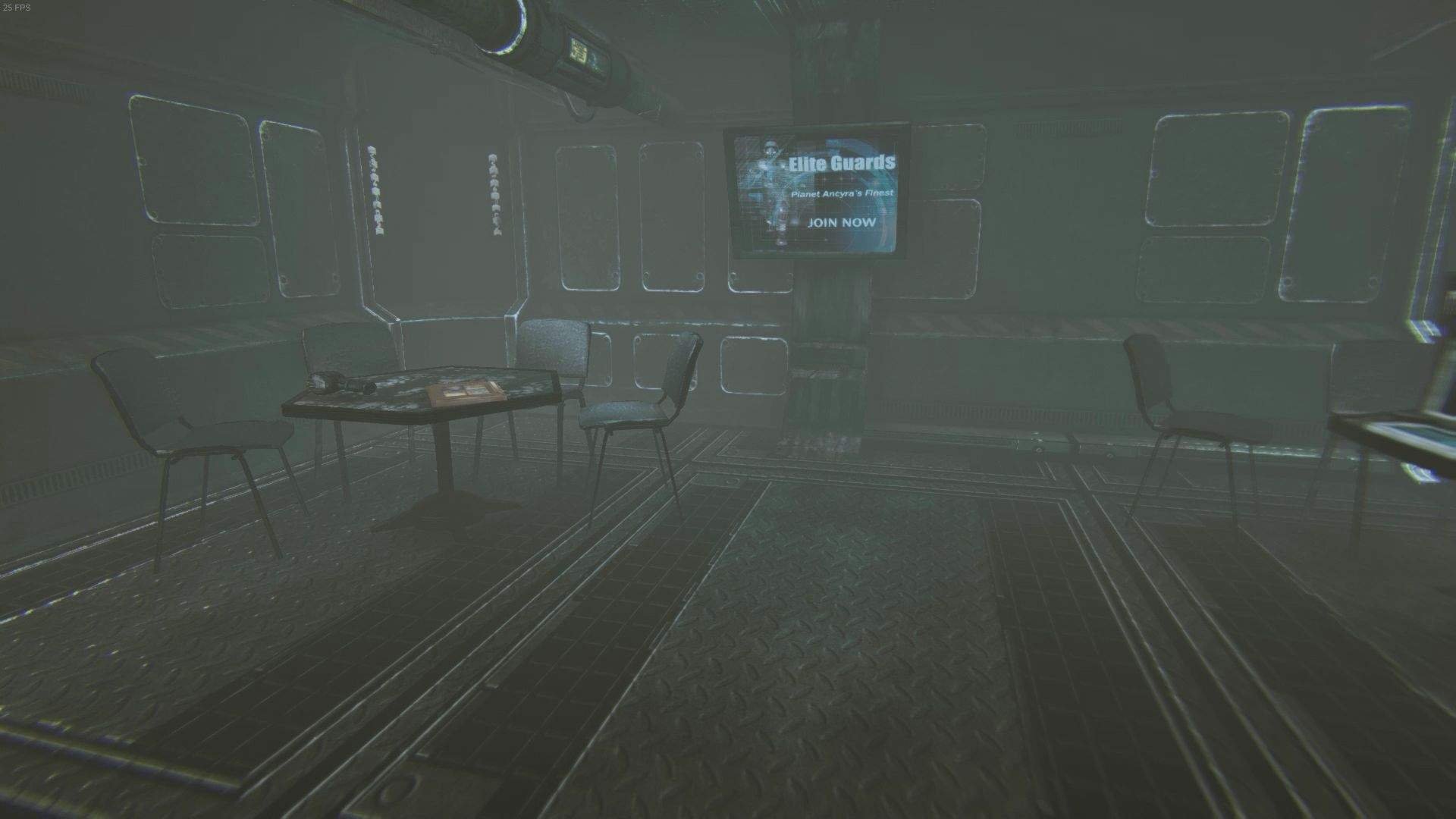
To differentiate the experience from Solarix, we modified existing environments to evoke a distinct atmosphere. One of the most impactful changes was the time-of-day shift—turning previously dim, evening-lit areas into daylight settings. This not only altered the visual tone but also subtly reinforced the shift from the tension of survival horror to the mystery-driven pacing of a walking simulator.
We designed levels to prioritize player exploration and environmental storytelling. Pathways were subtly restructured to guide players organically through key narrative beats while avoiding linearity. Areas were populated with storytelling props such as personal belongings, damaged equipment, and other environmental cues, ensuring players could piece together the narrative at their own pace.
Interactive elements like audio logs and written materials (emails, notes, and chat logs) were strategically placed to reward curiosity. For example, an otherwise inconspicuous side room might contain an emotional log or critical backstory detail, encouraging thorough exploration without breaking immersion.
GAME DESIGN DECISIONS
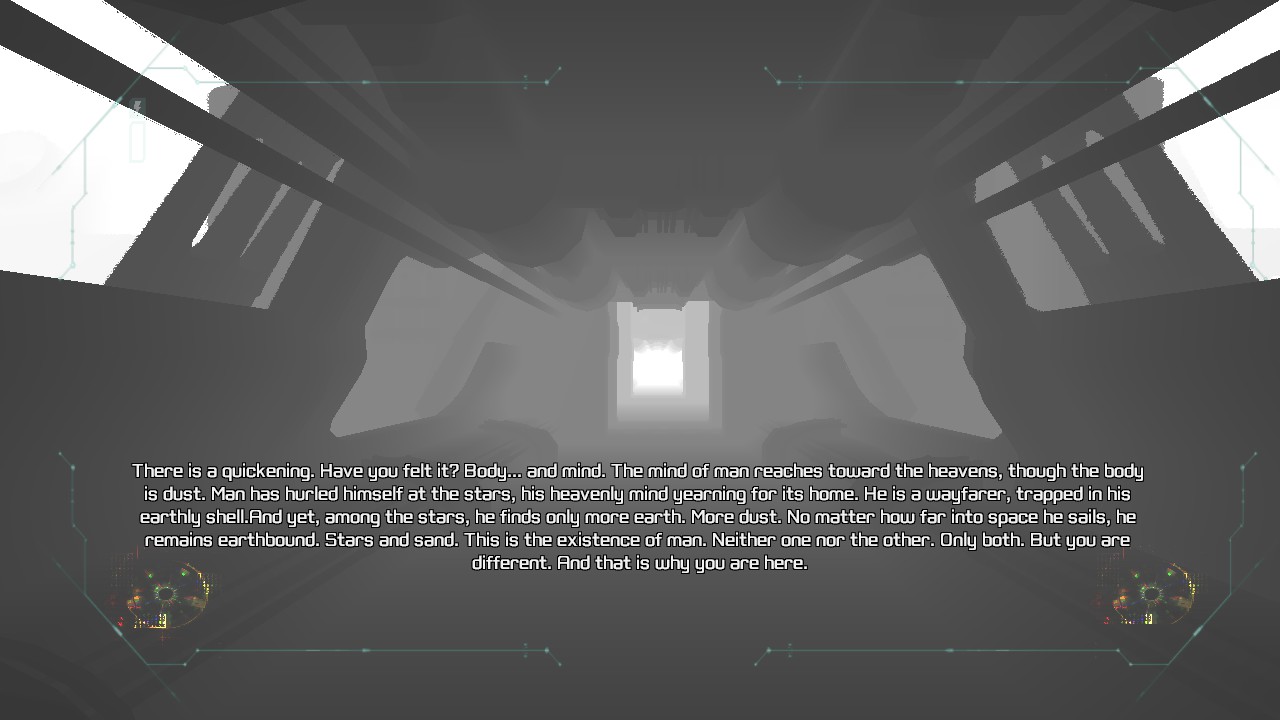
A critical addition to the game was Elizabeth’s ability to enter an in-game VR system. This mechanic served both narrative and gameplay purposes, requiring players to engage with a simplified, black-and-white representation of the world to uncover key information. From a design standpoint, this mechanic was lightweight to implement – leveraging post-processing volumes – but added significant depth to the player’s experience. It also allowed us to pace the game by interspersing moments of reflection with more focused sequences inside the VR world.
In terms of pacing, we avoided jump scares or combat-heavy moments, which were central to Solarix. Instead, tension was built through environmental storytelling, character-driven moments, and the mystery of unfolding events. The absence of traditional enemies or threats also informed the design of objectives, which emphasized uncovering Elizabeth’s story through discovery rather than survival.
NARRATIVE DESIGN DECISIONS
The narrative was a driving force behind the project and shaped many design decisions. We leaned heavily on environmental storytelling to immerse players in Elizabeth’s world. Key plot points were communicated through carefully placed audio logs, PC chat logs, emails, and handwritten notes that gave insight into her relationships with other characters and the escalating events leading to Walter’s awakening.
We ensured that each piece of narrative content served multiple purposes – fleshing out Elizabeth’s character, providing context for the events of Solarix, and creating intrigue to motivate exploration. For example, emails and notes between employees revealed subtle tensions in the workplace, while audio logs captured Elizabeth’s struggles, humanizing her and strengthening the player’s emotional connection to the story.
One of the most impactful narrative decisions was to create a consistent emotional arc for Elizabeth. Her growing desperation and resourcefulness were reflected not just in dialogue but in her interactions with the environment and the VR world. By aligning gameplay progression with her story arc, we created a sense of narrative-driven pacing that kept the player engaged.
Collaboration with the new Writer was essential to ensure continuity with Solarix while expanding on its universe. This involved refining existing lore and weaving new story elements seamlessly into the game world, allowing long-time fans to feel rewarded while welcoming new players into the narrative.
OUTCOME
This project demonstrated how thoughtful reuse of assets and technology, combined with deliberate design and narrative decisions, can result in a fresh and engaging experience. By reshaping familiar environments, introducing streamlined mechanics, and crafting a compelling story, we delivered a distinctive prequel that resonated with fans of the original game while offering a new perspective on the Solarix universe.
 Mark Gregory